
Industry Overview
Automotive manufacturing is one of the most critical pillars of modern industry, encompassing vehicle design, component production, welding assembly, painting, and more. As the industry advances toward light weighting, customization, and high precision, manufacturing processes must meet increasingly demanding requirements.
Processing Characteristics and Requirements
High Component Complexity: Body structural parts, exhaust systems, chassis components, and interior brackets vary widely in shape and are produced in large volumes.
Diverse Material Applications: Carbon steel, stainless steel, aluminum alloys, and high-strength steel are commonly used.
Rapid Production Cycles: Large-scale automated production is essential, while flexibility for small-batch custom orders is also required.
Advantages of Fiber Laser Cutting Machines
1. High Precision Machining
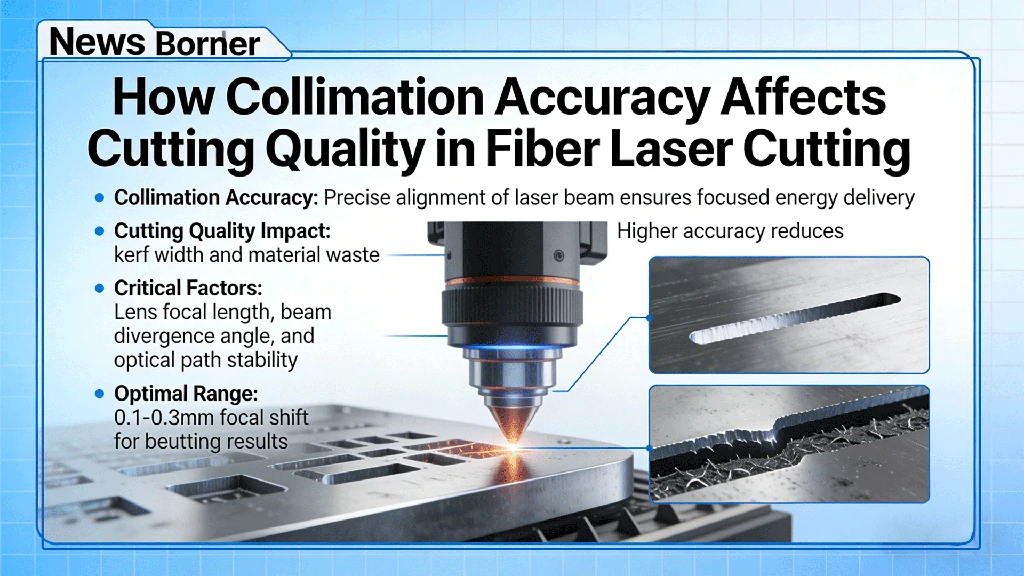
Cutting accuracy up to ±0.05mm ensures part consistency and assembly precision.
2. High Speed and Efficiency
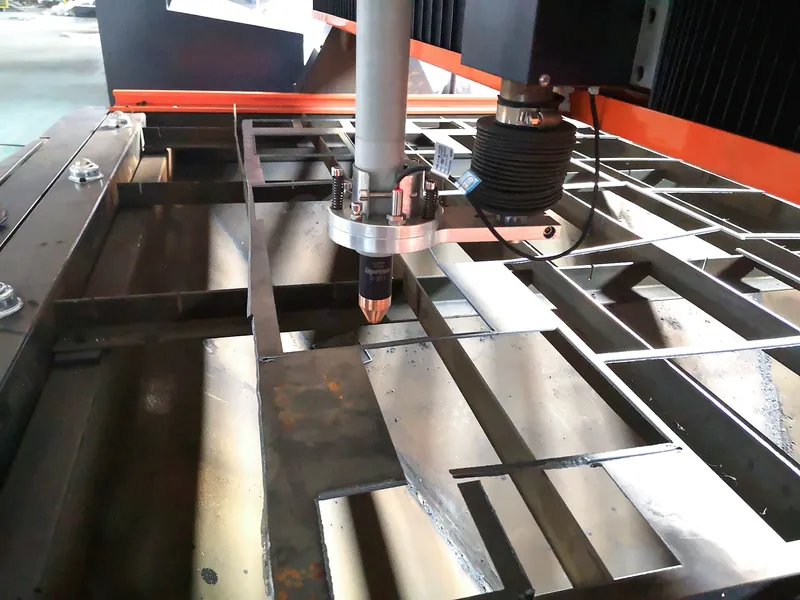
Laser cutting is 2–3 times faster than traditional stamping or plasma cutting, ideal for mass production.
3. Superior Cut Quality
Smooth, burr-free edges reduce secondary processing such as grinding, lowering overall costs.
4. Versatile Material Compatibility
Capable of cutting carbon steel, stainless steel, aluminum alloys, and high-strength steel, meeting diverse automotive material needs.
5. Flexible Production
Enables quick changeovers, suitable for high-mix, low-volume production, especially for new energy vehicles and custom automotive markets.

 superstarcnc@superstarlaser.com